
Mold in Your Air Ducts? Here’s How to Remove It for Good
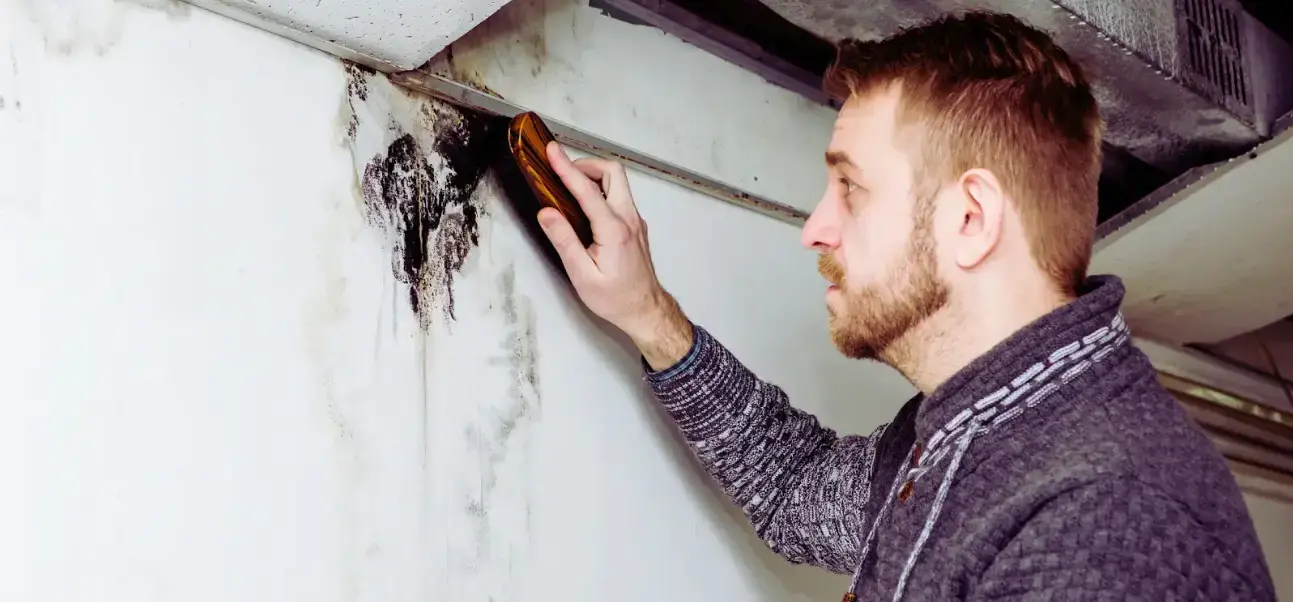
Contact COIT for a professional cleaning!
If you’ve been noticing musty odors, unexplained allergy symptoms, or black streaks around your vents, you might have a serious mold problem hiding in your air ducts.
Finding black mold in your air vents is more than just an annoyance—it can actually be toxic and impact your health every time your HVAC system runs. Mold spores travel through the air, spreading contamination throughout your home, and the longer you wait, the worse the problem gets.
In this guide, we’ll cover how to identify black mold in air vents, its health effects, and the best ways to both remove and prevent it.
As cleaning professionals at COIT, we’ve seen firsthand how dangerous mold growth can be, and mold problems are more common than many homeowners realize.
According to the National Institute for Occupational Safety and Health (NIOSH), indoor mold and dampness affect an estimated 10% to 50% of indoor environments worldwide, while the average prevalence in U.S. residential buildings is estimated at 47%. This widespread presence is one reason homeowners should take moisture issues and potential mold growth seriously.
Here’s what you need to know:
Signs of Black Mold in Air Ducts
Black mold (Stachybotrys chartarum) thrives in damp, humid environments—making HVAC systems and ductwork a prime breeding ground. Here’s how to tell if you have mold in your air vents:
1. Visible Mold Growth
- Black, green, or brown spots or streaks around vents or inside ducts
- Fuzzy or slimy texture on surfaces
- Recurring mold growth after cleaning
2. Musty or Moldy Odors
- Persistent earthy or damp smells coming from air vents
- Stronger odor when the HVAC system is running
3. Increased Allergy Symptoms
- Sneezing, coughing, and congestion
- Itchy, red, or watery eyes
- Sore throat or irritated sinuses
4. Respiratory Issues & Severe Reactions
- Shortness of breath or wheezing
- Chronic headaches or dizziness
- Mold exposure can trigger allergy symptoms, asthma flare-ups, coughing, congestion, irritated eyes, and other respiratory symptoms. Individuals with asthma, allergies, compromised immune systems, or existing respiratory conditions may be more sensitive to mold exposure.
5. Excess Moisture & Condensation
- Water stains around vents
- Condensation forming on or inside ductwork
- High humidity levels in your home
If you notice one or more of these signs, it’s time to take action. Contact COIT for a professional cleaning today.

Why Does Black Mold Grow Around Air Vents?
Many homeowners assume mold starts deep inside their ductwork. In reality, mold often begins around the vent itself.
When cold air from your air conditioner flows through a vent, it can come into contact with warm, humid air inside your home. This temperature difference creates condensation on vent covers, registers, and nearby surfaces.
Over time, that moisture combines with dust, pet dander, and other organic particles. The result is an ideal environment for mold growth.
Common causes include:
• High indoor humidity
• Poor attic insulation
• Air leaks around vent boots
• Dirty HVAC filters
• Blocked airflow
• Excess condensation during summer months
What Causes Black Mold to Grow in Air Ducts?
Mold needs three things to grow: moisture, warmth, and organic material. And guess what? Your air ducts provide all three under the right conditions.
- Humidity & Moisture: Leaks, condensation, or high indoor humidity (above 60%) encourage mold growth.
- Dust & Organic Debris: Mold feeds on dust, pet dander, and household debris inside your ductwork.
- Poor Ventilation: Inadequate airflow creates stagnant air pockets where mold thrives.
- Dirty Air Filters: Clogged or old filters allow mold spores to circulate.
- Leaky Ducts: Air leaks can introduce moisture into the system, encouraging mold growth.
Is It Really Black Mold or Something Else?
One of the biggest challenges for homeowners is figuring out whether the black substance around their vents is actually mold. While mold is certainly a possibility, several other common HVAC issues can look surprisingly similar.
Table:
What You See | Could It Be Mold? | Common Cause |
Fuzzy black or green growth | Often | Mold growth |
Powdery black dust | Sometimes | Dust buildup or soot |
Black rings around vents | Usually not | Thermal ghosting |
Brown or rust-colored stains | Usually not | Water damage or rust |
Dark streaks on walls or ceilings | Usually not | Air leakage and dust accumulation |
If you're unsure, it's best to have the area professionally inspected. Misidentifying mold can lead to unnecessary repairs, while ignoring actual mold growth can allow the problem to spread.
How to Inspect Air Ducts for Mold
If you suspect mold, a basic inspection can help you determine whether professional testing or cleaning may be needed.
Here's how to perform a visual inspection:
✓ Remove the vent cover
✓ Use a flashlight to look several feet into the duct
✓ Check for visible moisture or condensation
✓ Look for fuzzy, slimy, or discolored growth
✓ Pay attention to musty odors
✓ Inspect nearby drywall and ceilings for staining
✓ Take photos if you notice suspicious growth
Keep in mind that mold can grow deep within HVAC systems where it cannot be seen without specialized equipment. A clean-looking vent does not always mean your ductwork is mold-free.
How to Get Rid of Black Mold in Air Vents
Removing black mold from air ducts is not a DIY job—it requires specialized tools and professional-grade cleaning solutions.
Here’s what the process looks like when its done correctly:
Step 1: Professional Inspection & Testing
A mold remediation expert will:
- Visually inspect your vents and ductwork for mold growth
- Use moisture meters to check humidity levels inside your system
- Perform air quality tests to detect airborne mold spores
- Identify the source of the moisture problem to prevent regrowth
Step 2: Containment to Prevent Mold Spread
Before cleaning starts, professionals will seal off affected areas to prevent mold spores from spreading to other parts of your home.
Step 3: HEPA Vacuuming & Scrubbing
- High-Efficiency Particulate Air (HEPA) vacuums remove loose mold spores and debris.
- Motorized brushes & agitation devices scrub duct surfaces to dislodge stubborn mold growth.
Step 4: Eco-Friendly Mold Removal Treatment
- Professional mold-killing agents (non-toxic and EPA-approved) are applied to remove mold at its root.
- Fogging or antimicrobial sealants may be used to prevent regrowth.
Step 5: Air Scrubbing & Filtration
- HEPA air scrubbers remove lingering airborne mold spores.
- Your system is flushed with fresh, clean air to improve indoor air quality.
Once the ducts are cleaned, professionals will then address the root cause of the problem (leaks, humidity, poor ventilation) to make sure mold doesn’t return.
Can You Remove Black Mold Yourself?
Whether you can safely remove mold depends on how extensive the contamination is.
Small amounts of surface mold on metal vent covers can often be cleaned after removing the register and washing it with appropriate cleaning products.
Visible mold growing on accessible metal duct surfaces may sometimes be cleaned if the affected area is small and the moisture source has been corrected.
However, larger infestations, recurring mold growth, or contamination inside your HVAC system should be handled by trained professionals. Improper cleaning can release mold spores into the air and spread contamination throughout the home.
When in doubt, professional inspection is the safest option. The EPA advises that mold remediation involving HVAC systems should be handled by professionals experienced in working with heating and cooling systems because HVAC equipment can spread mold spores throughout a building if handled improperly.
When Moldy Ductwork Needs Replacement
Not all duct systems can be cleaned successfully.
The type of duct material plays a major role in determining whether cleaning or replacement is the better option.
Metal Ductwork
Rigid metal ducts can often be cleaned and disinfected successfully because mold remains on the surface rather than penetrating the material.
Flexible Ductwork
Flexible ducts contain porous materials that can trap mold spores. In many cases, contaminated sections need to be replaced.
Fiberglass-Lined Ducts
Fiberglass insulation can absorb moisture and support mold growth beneath the surface. Once mold becomes established, replacement is often the most effective long-term solution.
A qualified HVAC or mold remediation professional can determine whether cleaning or replacement is appropriate for your specific situation.
This recommendation is supported by the EPA, which states that once fiberglass duct liner becomes contaminated with mold, cleaning alone is not sufficient to prevent regrowth. EPA, NADCA, and NAIMA all recommend replacing wet or moldy fiberglass duct materials rather than attempting to clean them.
How to Prevent Mold in Your Air Vents
Prevention is key to avoiding costly mold remediation. Here’s what you can do to help keep mold from forming in your ducts:
Control Indoor Humidity
Mold loves moisture, so keeping your home’s humidity levels in check is key. Ideally, indoor humidity should stay below 50%—you can use a dehumidifier to help with this. Ventilating moisture-prone areas like bathrooms, kitchens, and laundry rooms also helps keep humidity under control.
Change Your Air Filters Regularly
Your air filter is your first line of defense against mold spores. HEPA filters trap mold spores and prevent them from circulating in your home. Just make sure to replace your air filters every 1-3 months, or even more frequently if you have pets or allergies.
Schedule Regular HVAC Maintenance
Just like your car needs routine oil changes, your HVAC system needs regular checkups. Professional air duct cleaning every 2-3 years helps prevent mold growth. If you live in a humid climate or have allergies, annual maintenance is even more important. During these cleanings, professionals should also check your drain pans, coils, and ductwork for mold and leaks.
Install UV Light Purifiers
Want an extra layer of protection? UV-C light purifiers installed inside your HVAC system can kill mold spores before they spread. They’re a great long-term mold prevention strategy.
Keep Your Vents & Registers Clean
Regular dusting and vacuuming around your vents can help prevent mold spores from settling in. Also, be mindful not to block your vents with furniture or objects—this can trap moisture and create the perfect mold-friendly environment.
Maintain Healthy Indoor Humidity Levels
One of the most effective ways to prevent mold is controlling moisture.
Most experts recommend maintaining indoor humidity levels between 30% and 50%.
When humidity rises above 60%, mold growth becomes much more likely.
A simple hygrometer can help you monitor humidity levels throughout your home. If humidity is consistently high, consider using a dehumidifier or improving ventilation in moisture-prone areas.
What to Expect During Professional Mold Remediation
Many homeowners aren't sure what happens once they schedule a professional mold inspection.
While every project is different, most mold remediation services follow a similar process:
- Inspection and Moisture Assessment
Technicians identify mold growth, locate moisture sources, and determine the extent of contamination.
- Containment
Affected areas may be isolated to prevent mold spores from spreading during cleaning.
- HEPA Filtration and Cleaning
Specialized equipment removes mold spores and debris from ducts and surrounding surfaces.
- Moisture Correction
Leaks, condensation issues, or ventilation problems are addressed to prevent future growth.
- Final Verification
The system is inspected to confirm cleaning was successful and mold growth has been removed.
The length of the process depends on the size of the HVAC system and the extent of contamination.
Common Myths About Mold in Air Ducts
1. “Mold in air vents isn’t dangerous.”
False. Even non-toxic mold can trigger allergies and respiratory issues. Black mold is especially harmful due to its toxic mycotoxins.
2. “I can clean black mold myself.”
False. DIY cleaning only removes surface mold—it doesn’t eliminate spores deep inside the ductwork. Professional cleaning is the only way to fully remove mold.
3. “Once mold is removed, it won’t come back.”
False. Without fixing the moisture problem, mold will regrow. That’s why humidity control and preventative maintenance are so important.
4. "Every black stain around a vent is mold."
False. Dust buildup, thermal ghosting, candle soot, and other HVAC-related issues can all create black discoloration around vents.
5. "Bleach permanently eliminates mold."
False. While bleach may remove surface staining, it often fails to address the underlying moisture problem that allowed mold to develop.
6. "Air fresheners solve mold problems."
False. Covering odors does nothing to remove mold growth or prevent future contamination.
7. "Air duct cleaning alone prevents mold forever."
False. Mold will return if the underlying moisture source is not corrected.
Frequently Asked Questions About Black Mold in Air Ducts
What does black mold in air vents look like?
Black mold often appears as black, dark green, or brown patches with a fuzzy or slimy texture. However, not every dark substance around a vent is mold.
Can I clean mold from air vents with vinegar?
Vinegar may help remove small amounts of surface mold from vent covers and other accessible hard surfaces. However, it is not a substitute for professional remediation when mold is present inside ductwork.
Is black mold in air ducts dangerous?
Mold exposure can trigger allergy symptoms, asthma flare-ups, and respiratory irritation in some individuals. People with existing respiratory conditions may be more sensitive to mold exposure.
The World Health Organization reviewed 145 epidemiological studies and found consistent associations between damp indoor environments, mold exposure, respiratory symptoms, wheezing, coughing, and worsening asthma symptoms.
How do professionals test for mold in HVAC systems?
Professionals may use visual inspections, moisture meters, air sampling, and surface testing to determine whether mold is present and identify the source of moisture.
Do moldy air ducts need to be replaced?
Not always. Metal ducts can often be cleaned, while flexible or fiberglass-lined ducts may require partial replacement if contamination is extensive.
How can I stop mold from coming back?
The most effective solution is controlling moisture. Fix leaks, maintain humidity below 50%, replace HVAC filters regularly, and schedule routine HVAC maintenance.
Why Choose COIT for Mold Removal?
At COIT, we specialize in air duct cleaning and mold remediation with industry-leading equipment and certified technicians. Here’s what sets us apart:
✔ Advanced HEPA vacuums & motorized brushes to remove deep-set mold growth
✔ Eco-friendly, non-toxic cleaning solutions safe for your family
✔ UV light & antimicrobial treatments to prevent mold from coming back
✔ Air quality testing & post-cleaning inspections to ensure a mold-free home
✔ 100% satisfaction guarantee – we stand by our work
Don’t let mold in your air ducts put your health at risk. If you suspect mold in your HVAC system, call COIT today for a professional inspection and deep cleaning. We’ll help you breathe easier with fresh, clean air in your home.


