
What Is Mold Abatement? How to Tackle Mold Safely
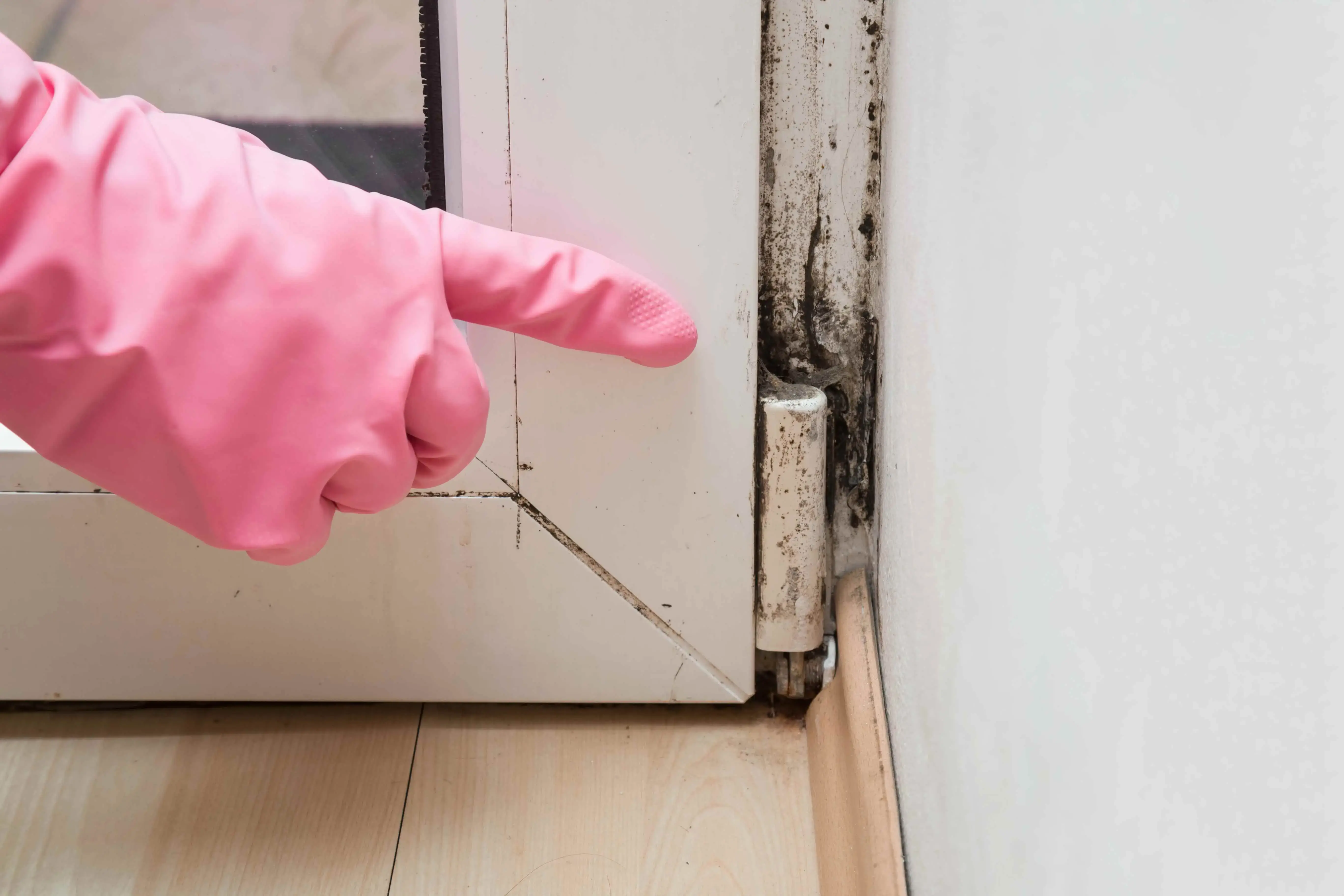
Contact COIT for a professional cleaning!
Let’s face it: mold is the unwelcome house guest nobody wants. It creeps into your home, hides in dark corners, and makes itself comfortable—often at the expense of your health and property.
If you’ve spotted mold or are dealing with that unmistakable musty smell, you might be wondering, what exactly is mold abatement, and how do I get rid of this stuff for good?
You’re in the right place! At COIT, we’ve helped countless homeowners and businesses handle mold issues with safe, professional mold abatement services.
Today, we’re breaking down what mold abatement really means, how it works, and why it’s the smart solution for keeping mold out of your life.
What Is Mold Abatement in One Sentence?
Mold abatement is the professional process of containing, reducing, and removing mold contamination from a property while addressing the moisture issues that allowed it to grow.
The goal is not simply to clean visible mold, and effective mold abatement helps prevent mold spores from spreading to other areas and reduces the likelihood of future growth.
What Is Mold Abatement, Anyway?
Mold abatement is the process of reducing or eliminating mold from your home or business to protect your health and prevent further damage.
The term "abatement" simply means reducing or removing a problem. In the case of mold, it refers to the professional process of containing mold growth, removing contamination, improving air quality, and addressing the moisture conditions that allowed mold to develop in the first place.
It helps address the root cause of the problem, like moisture or poor ventilation, to keep mold from coming back.
Think of it as mold’s eviction notice: abatement cleans up the mess and tackles the conditions that allowed mold to thrive in the first place.
Mold abatement:
- Removes mold from affected areas safely.
- Stops mold spores from spreading to other parts of your home.
- Fixes moisture problems so mold doesn’t make a comeback.
Imagine you’ve discovered a musty smell in your basement and noticed some black spots on the drywall. You clean the spots, but two weeks later, they’re back—and worse than before. This is where mold abatement comes in. Instead of just cleaning the surface, a professional will identify the moisture source, fix it, and make sure the mold doesn’t return.
Mold Removal vs. Mold Abatement vs. Mold Remediation
These terms are often used interchangeably, but they mean slightly different things. In practice, professional mold projects often involve all three processes.
Mold Removal
Mold removal refers to cleaning or removing visible mold from surfaces. While this may eliminate what you can see, it doesn't always address hidden mold or the moisture source that caused the growth.
Mold Abatement
Mold abatement focuses on containing, reducing, and removing mold contamination while preventing spores from spreading throughout the property.
Mold Remediation
Mold remediation focuses on correcting the underlying moisture issue and restoring affected areas so mold is less likely to return.
How Is Mold Abatement Done?
Wondering what happens during mold abatement? It’s not as scary as it sounds, especially when you have the pros to handle it. Here’s what a typical mold abatement process looks like:
1. Inspection and Testing
First, a trained mold specialist inspects your property to find out where mold is hiding and what’s causing it. They might take air or surface samples to identify the type of mold and check how far it’s spread.
2. Containment
Once the problem is pinpointed, the affected area is sealed off with heavy-duty plastic sheets and negative air pressure machines. This prevents those sneaky mold spores from hitching a ride to other parts of your home.
3. Mold Removal
Now comes the cleanup. Using special cleaning agents and HEPA vacuums, mold is carefully removed from walls, ceilings, and other surfaces. If the mold has damaged materials like drywall or insulation, those might need to be replaced.
4. Air Filtration
Air filtration systems with HEPA filters capture any lingering mold spores in the air, improving your home’s air quality during and after the abatement process.
5. Moisture Control
Here’s the deal: if you don’t deal with the moisture that caused the mold, it’s going to come back. A good mold abatement plan includes fixing leaks, improving ventilation, and drying out damp areas.
6. Final Testing
After everything’s cleaned up, the specialists might run some tests to make sure mold levels are safe and your home is back to normal.
Mold Abatement Process at a Glance
While every situation is different, most professional mold abatement projects follow these seven steps:
- Inspection and assessment
- Containment of affected areas
- Air filtration using HEPA systems
- Mold removal and cleaning
- Removal of contaminated materials when necessary
- Moisture source correction
- Final inspection and verification
What’s the Difference Between Mold Abatement and Mold Remediation?
If you’ve been Googling mold solutions, you’ve probably seen terms like “abatement,” “remediation,” and “removal” thrown around. So, what’s the difference? While these terms are often used interchangeably, they refer to distinct steps in the process of dealing with mold.
Mold Abatement
This is about reducing or eliminating mold and addressing the conditions that allowed it to grow. Think of it as the heavy lifting.
Mold abatement focuses on identifying and removing mold at its source while ensuring that the environment no longer supports its growth. It’s the step that gets your home back to a safe, breathable condition by tackling the mold head-on and stopping it in its tracks.
Mold Remediation
It’s the step where your home is made whole again, addressing both the cosmetic and structural impact of mold. Without remediation, mold damage can leave lasting marks on your property, even after the mold itself has been removed.
In short, abatement focuses on stopping the problem, while remediation focuses on fixing the damage. Both are important, but abatement is the first step.
Can Mold Ever Be Completely Removed?
One common misconception is that mold can be eliminated entirely from a home.
In reality, mold spores naturally exist both indoors and outdoors. Because mold is a natural part of the environment, complete elimination is not possible.
The goal of professional mold abatement is to remove active mold growth and return indoor mold levels to normal, safe background levels. By controlling moisture and removing contamination, professionals help prevent mold from becoming an ongoing problem.
Don’t Wait—Protect Your Home and Health Today!
Mold doesn’t take care of itself, and delaying treatment can make the problem worse.
Contact COIT now to schedule professional mold abatement and ensure a safe, mold-free home for you and your family.
What Does Abatement Mean in Mold?
Abatement is simpler than it sounds—it just means removal or reduction. In the context of mold, it’s about getting rid of the mold and making sure the conditions that caused it are addressed.
This means it’s not just about cleaning what you can see; abatement includes identifying the source of moisture, fixing the problem, and creating an environment where mold can’t grow again.
Think of it as a long-term solution rather than a quick fix. While scrubbing away visible mold might improve things temporarily, true abatement goes deeper to ensure that your home stays mold-free.
When Is Mold Abatement Necessary?
Not every mold issue requires a large-scale restoration project, but professional mold abatement is often recommended when:
• Mold covers more than 10 square feet. The EPA categorizes mold contamination by size, with areas under 10 square feet considered small-scale contamination, areas between 10 and 100 square feet often requiring additional containment measures, and areas larger than 100 square feet typically requiring full professional containment and remediation procedures.
• Mold repeatedly returns after cleaning
• Mold is growing inside walls, ceilings, crawl spaces, or HVAC systems
• Water damage or flooding has occurred
• Occupants have allergies, asthma, or respiratory sensitivities
• A property sale or inspection has identified mold concerns
If you're unsure how serious a mold problem is, a professional inspection can help determine the best course of action.
How Do You Know If You Need Mold Abatement?
Not sure if it’s time to call the experts? Here are some signs you might have a mold problem:
- Visible Mold: Green, black, brown, or white spots on walls, ceilings, or other surfaces.
- Musty Odors: That stale, earthy smell that just won’t go away.
- Health Symptoms: Unexplained coughing, sneezing, or breathing problems.
- Water Damage: Leaks, flooding, or condensation that creates damp areas.
If any of these sound familiar, don’t wait! Mold doesn’t just go away on its own. The sooner you tackle it, the easier—and cheaper—it will be to fix.
The Centers for Disease Control and Prevention (CDC) notes that buildings that remain wet for more than 48 hours after flooding or significant water intrusion will generally support visible and extensive mold growth, making prompt action especially important after water damage.
Can You Remove Mold Yourself?
Many homeowners wonder whether they can handle mold cleanup on their own.
Small areas of surface mold on non-porous materials may sometimes be cleaned safely if the moisture problem has already been resolved.
However, professional mold abatement is usually recommended when:
• Mold covers a large area
• Mold is hidden behind walls or ceilings
• HVAC systems are affected
• Drywall, insulation, or carpeting has been contaminated
• Mold continues returning after repeated cleaning
Improper cleanup can spread mold spores to other parts of the home, making the problem worse.
What Materials Will Need to Be Removed During Mold Abatement?
Some materials can be cleaned and restored, while others may need to be removed and replaced.
Materials commonly removed during mold abatement include:
• Drywall
• Insulation
• Ceiling tiles
• Carpet and carpet padding
• Water-damaged wood products
Because porous materials absorb moisture and mold spores, complete cleaning is not always possible. A professional assessment helps determine whether a material can be salvaged or should be replaced.
Prevent Mold Before It Starts
According to the EPA, mold can seriously impact your health. Prolonged exposure to mold spores can cause allergies, respiratory issues, skin irritation, and even worsen asthma symptoms. For people with compromised immune systems, certain molds can lead to severe infections.
While mold abatement is effective, prevention is always the best strategy. Here are a few tips to keep mold at bay:
- Keep Humidity Low: Use a dehumidifier to maintain indoor humidity levels below 50%.
- Fix Leaks Fast: Repair leaky pipes, roofs, or appliances before they create a mold-friendly environment.
- Ventilate Your Home: Use exhaust fans in bathrooms and kitchens, and make sure your dryer vents outside.
- Dry Wet Areas Quickly: Whether it’s a spill or a flood, dry it up fast—ideally within 24–48 hours. According to the U.S. Environmental Protection Agency (EPA), water-damaged materials should be dried within 24 to 48 hours to help prevent mold growth on building materials and furnishings.
- Inspect Regularly: Check hidden areas like under sinks or in attics for signs of moisture or mold.
What Happens After Mold Abatement?
Once mold removal is complete, professionals typically perform additional checks to confirm the area is safe.
Depending on the project, this may include:
• Visual inspections
• Moisture measurements
• Verification that leaks or humidity issues have been corrected
• Air quality testing
• Clearance testing for larger remediation projects
These final steps help make sure the mold problem has been addressed successfully and reduce the risk of future growth.
FAQs About Mold Abatement
Let’s clear up some common questions about mold abatement:
Q: What does mold abatement involve?
A: Mold abatement includes inspecting for mold, containing affected areas, removing mold, filtering the air, addressing moisture sources, and preventing future growth.
Q: What is the difference between mold removal and mold remediation?
A: Mold removal is just cleaning visible mold, while remediation restores your home after mold abatement, repairing any damage caused by mold.
Q: What is the difference between abate and remediate?
A: To abate is to stop or reduce the mold problem, while remediation includes both abatement and restoring your home to normal.
Q: How Much Does Mold Abatement Cost?
A: The cost of mold abatement can vary depending on factors like the size of the affected area, the type of mold, and the extent of damage. On average, homeowners can expect to pay between $500 and $6,000 for professional mold abatement, though large-scale problems may cost more. While this might seem like a significant investment, addressing mold promptly can save you thousands in future repairs and protect your health.
The overall cost may also depend on whether contaminated materials need to be removed and replaced, whether the mold has spread into hidden areas, and whether post-remediation testing is required.
Q: How long does mold abatement take?
A: Small mold problems may be resolved in a day or two, while larger infestations involving multiple rooms or significant water damage can take several days or longer. The timeline depends on the size of the affected area, the extent of contamination, and whether damaged materials need to be replaced.
Q: Is mold abatement covered by homeowners insurance?
A: Insurance coverage depends on the source of the moisture and the details of your policy. Mold caused by a covered event, such as a sudden plumbing leak, may be covered, while mold resulting from long-term maintenance issues is often excluded.
Q: Can mold come back after abatement?
A: Yes. If the underlying moisture issue is not corrected, mold can return. That's why professional mold abatement includes identifying and addressing the source of moisture whenever possible.
Q: Is mold abatement safe for children and pets?
A: Professional mold abatement companies use containment barriers, HEPA filtration, and specialized cleaning methods to reduce exposure during the cleanup process. Depending on the size of the project, temporary relocation may sometimes be recommended.
Why Choose COIT for Mold Abatement?
When it comes to mold, DIY solutions can only go so far. Without the right tools and expertise, you might spread mold spores or miss hidden growth that could cause bigger problems down the road.
That’s where we come in. At COIT, we’ve been helping homeowners and businesses for decades with expert mold abatement services.
We use advanced techniques to remove mold, address the source of the problem, and make sure your home is safe and healthy.
Breathe Easier—Call COIT Today!
Don’t let mold take over your home or your health. Whether you’ve spotted mold or just suspect it’s there, our team is here to help.
Contact us today to schedule a professional mold abatement service and take the first step toward a cleaner, healthier home!